
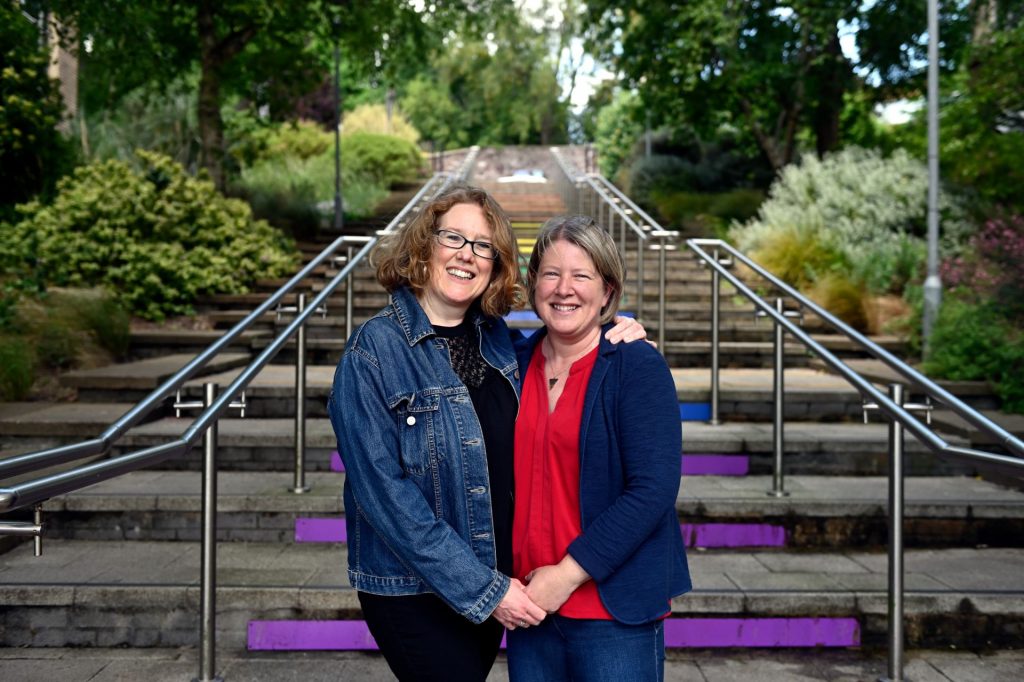
Bug Lewins Ktori is the incoming president of the University’s LGBTQ+ society. Having been involved with the society since their first year at the University, they are committed to making sure that all LGBTQ+ students benefit from a sense of community and peer support during their time at Bristol.
We spoke to Bug about intersectionality, peer-support, representation, and their following of the ‘DofE’ approach.
Why is the Q so important in LGBTQ+?
The Q is very important. To me, queer means not fitting in, having parts of yourself that aren’t societally acceptable, not fit
ting into a box that has been assigned to you. It can act as an umbrella for different gender identities and sexual orientations and how they intertwine
with other identities. Having the ability to say I’m queer, I’m one of you without specifically narrowing down to specific letters is important for me.
Also reclaiming the word queer is so empowering, we’re able to take back which was used as a slur and are now able to say this is my identity and I love and am proud of that.
How important is intersectionality to the LGBTQ+ Society?
Our top priority really is intersectionality, because there’s no point making those of us who are more privileged within an underprivileged community feel wonderful, while still excluding an entire underrepresented part of our community, that is already struggling more so you know, as a group that’s supposed to be providing support and community that is one of our biggest focuses.
We have a very diverse committee with a zero-tolerance policy on any sort of discrimination, we also do our best to cater to intersections such as disability and race.
What are your peer support sessions like?
 These sessions run in collaboration with Project:Talk, so any concerns are fed back to them. But we’re very chilled out, we try to make these sessions as unintimidating as possible. We bring a bunch of biscuits, a bunch of colouring books and we chat, we do have some structured questions i.e. names, pronouns etc. but mostly we talk about our days/weeks and natural conversation is sparked from that. And then the rest of it is just kind of almost kind of like hanging out as friends.
If a student had an issue how would/could the society help?
If a student has an incident or a negative experience, we will escalate this to the SU and the University and discuss formal measures. We help students navigate any formal complaint processes and make that person feel less alone in that whole process as nobody should go through those things alone.
I like to think that we exist as sort of like an advice group. Almost like if you had a problem in the workplace, you could talk to the Citizens Advice Bureau and you’d have someone to help represent you.
What is the best way for a student to get in touch if they have an issue?
We’re trying our best to make as many of our communication channels as discreet/anonymous as possible, which will hopefully encourage those who aren’t ‘out’ yet or allies to join. I work with the DofE (Duke of Edinburgh) rules in mind, moving at the slowest person’s speed by catering to the most marginalised/cautious people and then moving forward from there.
We have a big discord server which is open to anyone – there is no need for membership. We also have our Instagram and Facebook Group which are managed by us. People can also reach us on our personal accounts and email addresses e.g., someone may feel more confident speaking to the Accessibility Officer or BAME representative about certain things.
Find out more about the LGBTQ+ Society on Bristol SU’s website!


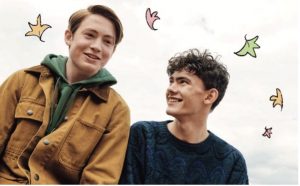 I’m sure many of you have watched, or at least heard about, Netflix’s newest hit Heartstopper. If you haven’t, it’s the story of two guys at an English secondary school who end up falling in love, and is adapted from the graphic novels of the same name by Alice Oseman. It consists of an amazing cast of LGBTQ+ characters going through issues that will be relatable for most LGBTQ+ people. It does this in a way which makes it incredibly heart-warming and doesn’t follow the usual tropes of many LGBTQ+ love films which tend to end in heartbreak.
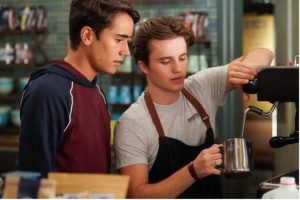 Love, Victor – a spin off from the 2018 film Love, Simon (which itself was adapted from the book Simon vs the Homosapien Agenda by Becky Albertalli) – is airing its third and final season this month. It follows the story of Victor as he begins life at a new school, whilst also starting to question his sexuality. Whilst the first season focuses on the idea of sexuality and coming out, the second and third seasons explore the idea of life of a young LGBTQ+ person after coming out.
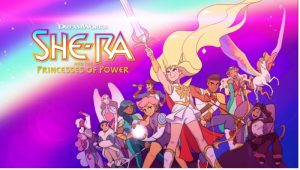 transgender characters – even if some of their identities weren’t really referenced within the actual show at all and those that were referenced weren’t until the last season. It focusses on Adora as she joins the Rebellion to fight the Horde, after gaining the power to transform into She-Ra – a 6ft warrior woman. If you want a show that is fun and silly and yet still provides strong characters and emotional moments, then it is definitely worth a watch. The Owl House follows Luz the human as she stumbles through a portal into the Demon Realm, where she trains with Eda the Owl Lady in the ways of magic. Luz herself is
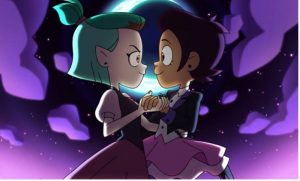 bisexual, and the show also features an array of LGBTQ+ characters – including Raine Whispers who provides notable non-binary representation. The show is made by Disney – a company who have been lacking in any form of LGBTQ+ representation in the past. These two shows allow children to grow up seeing LGBTQ+ representation on their screens, which is vital for young people to see that its okay to be LGBTQ+, whether they are LGBTQ+ or just allies.
 Bly Manor is a horror show on Netflix that tells the stories of the many people – both living and dead – who inhabit Bly Manor, when a new au pair arrives at the house. Whilst being haunted, an LGBTQ+ romance blooms. Our Flag Means Death is a recently released action/comedy about pirates from director Taika Waititi. Hilarious hijinks ensue when Stede Bonnet leaves the life of an American aristocrat to become a pirate
 captain and then meets the feared Captain Blackbeard. The show features a diverse range of LGBTQ+ characters (with prevalent non-binary, gay and bisexual representation). Sense8 follows a group of 8 people from around the world who one day are suddenly able to communicate with e
 ach other through a psychic link that forms between them. It features a diverse set of LGBTQ+ and non-LGBTQ+ characters who are all well written with meaningful relationships and impact on the plot. These sorts of shows normalise LGBTQ+ characters by not really focussing on the fact thatthey are LGBTQ+. The characters are LGBTQ+ but aren’t treated any differently for it, which makes them well-written characters who provide some very good representation.